Mercato di Testaccio: Where Romans Actually Buy Their Food
Forget Campo de’ Fiori. The real food market of Rome is in Testaccio — a working neighbourhood where pasta makers, butchers and grandmothers still shop side by side.
The Campo de’ Fiori market, in the heart of Rome’s historic centre, is one of the most photographed markets in Italy. It is also a tourist trap. The vendors sell mass-produced pasta in souvenir packaging, dried herbs at three times the supermarket price and “limoncello” made in industrial plants outside Naples. The real Romans stopped shopping there at least two decades ago.
The market they actually use is two kilometres south, in a neighbourhood most tourists never visit. It is called the Mercato di Testaccio and walking through it is the closest you can get to understanding how Romans eat without being invited into a Roman kitchen.
The neighbourhood that fed Rome
Testaccio is the most Roman neighbourhood of Rome. That sounds paradoxical, but it isn’t.
The historic centre the area tourists know, with the Pantheon, Trevi Fountain and Piazza Navona has been thoroughly converted to serve visitors. Most of its restaurants, shops and apartments cater to people who do not live there. Testaccio is different. It was built in the 19th century as a working-class quarter for the families employed at the city’s slaughterhouse the Mattatoio which closed in 1975 but whose buildings still anchor the neighbourhood. The descendants of those families still live in the same apartment buildings. They still cook the same dishes. And they still buy their ingredients at the same market their grandparents used.
This is why Testaccio is the birthplace of nearly every dish that defines Roman cuisine: pasta alla carbonara, cacio e pepe, amatriciana, coda alla vaccinara, trippa alla romana. These are dishes invented by the workers of the Mattatoio — built around the cuts of meat the slaughterhouse butchers brought home each day. They are cucina povera (poor man’s cuisine), perfected over a century of repetition.
The market itself
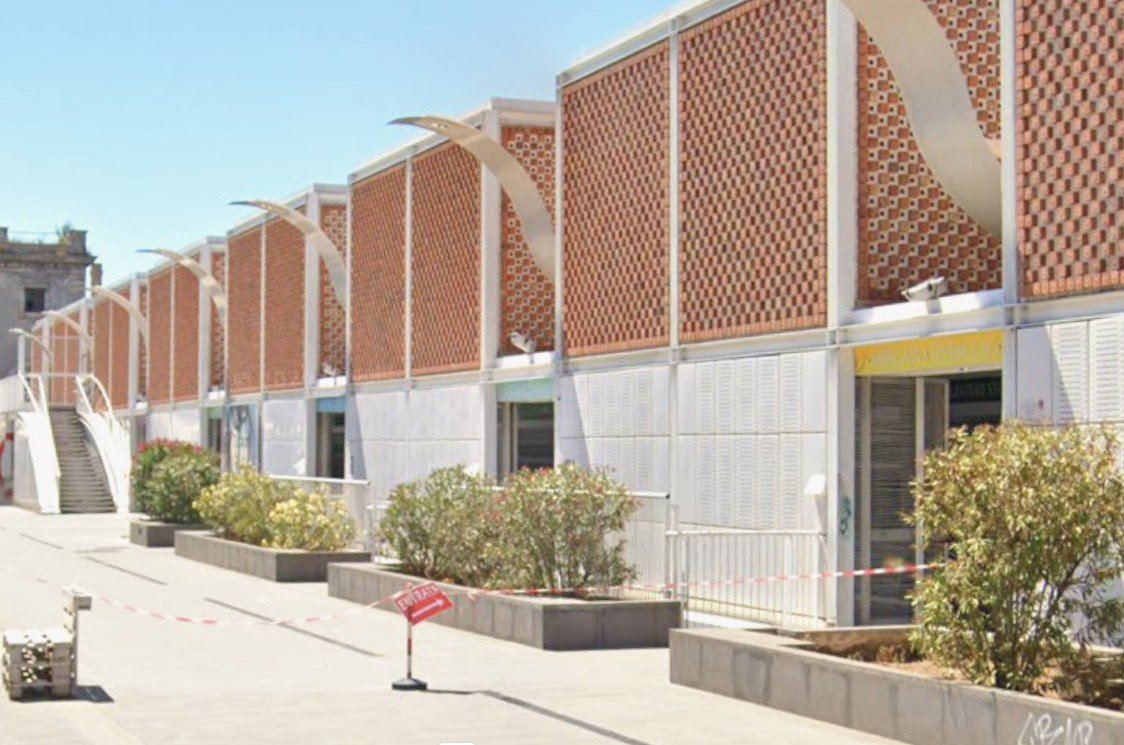
The Mercato di Testaccio moved into its current home in 2012. The new building, designed by architects working with the city, sits on Via Beniamino Franklin, a few blocks from the river. It is clean, covered, open Monday to Saturday from 7 in the morning to 3:30 in the afternoon, and contains over a hundred stalls organized in clean rows under a high industrial roof.
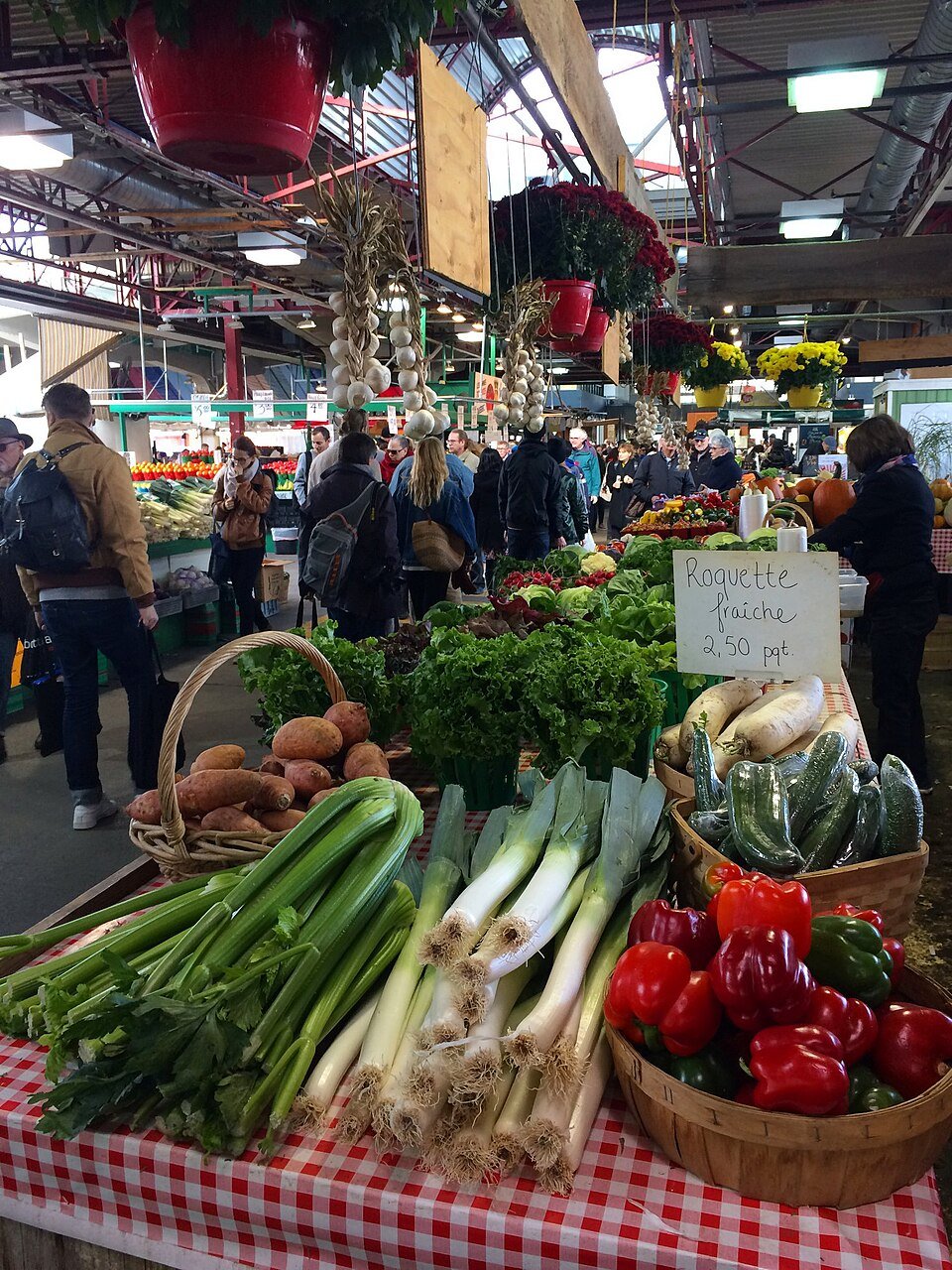
Inside, the energy is unmistakable: vendors calling out morning prices, espresso machines hissing at small caffè counters, butchers wrapping cuts in pink paper, Roman grandmothers conducting fierce negotiations over the price of artichokes. There are tourists — Testaccio has been “discovered” by serious food travellers for years — but the great majority of shoppers are locals, and the prices reflect that.
The stalls that define it
The market is large enough to spend two hours in. The following are the ones that consistently appear on the lists of Rome’s best food writers:
Box 15 — Mordi e Vai
Run by Sergio Esposito, a former butcher who decided in his sixties to start serving sandwiches. Mordi e Vai means “bite and go” in Roman dialect — and the sandwiches are exactly that: panini stuffed with the slow-cooked meats of traditional Roman cooking. Veal tongue with salsa verde. Tripe in tomato sauce. Boiled beef shoulder with chicory. €5 each. There is always a queue at lunchtime. It is always worth it.
Box 66 — CasaManco
The best pizza al taglio (pizza by the slice) in the market, and one of the best in Rome. The crust is sourdough-based, fermented for 48 hours and cooked until the bottom is dark and crisp. Topping choices change daily — the mortadella with stracciatella is the legend — and you pay by weight.
Box 30–31 — Fior di Luna
Gelato made on site from organic ingredients. The pistachio uses real Bronte pistachios from Sicily. The chocolate is dark and bitter, the way Italians actually like it. The fior di latte (a simple cream gelato) is the one to order if you want to taste the quality of the milk.
Box 96 — Banco 96
Fresh pasta, made each morning by hand. The cacio e pepe tonnarelli, sold by the kilo, is the closest thing to bringing a Roman restaurant home with you. Vacuum-packed for travel.
The vegetable stalls (boxes 70–80)
Spring is the season of the carciofo romanesco — the Roman artichoke — which is grown on the surrounding plains and arrives at the market in March and April. The vendors will trim it for you on the spot. Summer brings puntarelle (a chicory native to Lazio), zucca blossoms (eaten stuffed and fried), cicoria and tomatoes from Campania. Winter is when the artichokes return, the Sicilian blood oranges arrive, and the broccoletti are at their best.
How to actually shop here
The market is intuitive, but a few rules will make your visit much smoother:
- Bring cash. Many stalls accept cards, but a surprising number still don’t. €30–50 in small bills covers a generous shopping trip.
- Don’t touch the produce. Pointing is fine. Touching is rude. The vendor will choose for you — they are better at it than you are.
- Greet first, then ask. Buongiorno opens every interaction. The vendors are warmer than their reputation suggests, but Rome is not a city of small talk.
- Don’t haggle. Prices are fixed. The exception: at the end of the morning, vendors selling perishables (especially fish and bread) may offer a small discount on what’s left.
- Come hungry. The market is not just for shopping. You can have breakfast, lunch and an aperitivo here without leaving.
An ideal morning
The pattern most food-loving Romans use:
- 09:00 — Arrive. Have an espresso and a cornetto at one of the bar stalls.
- 09:30 — Walk the perimeter once without buying. See what looks good today.
- 10:00 — Start buying: fruit and vegetables first (so they’re fresh), then bread, then cheese and cured meats.
- 11:30 — Pick up something hot — a slice of pizza al taglio or a sandwich from Mordi e Vai.
- 12:30 — Walk to the nearby Cimitero Acattolico (the Non-Catholic Cemetery, where Keats and Shelley are buried) for a quiet hour.
- 14:00 — Late lunch at one of Testaccio’s neighbourhood trattorias. Our Rome guide lists the standouts.
How to get there
| Address | Via Beniamino Franklin, 12, 00153 Rome |
| Metro | Piramide (Line B) — 10-minute walk |
| Bus | Lines 23, 75, 280, 716 — all stop within 5 minutes |
| Tram | Line 3 from Trastevere — 15 minutes |
| Hours | Monday–Saturday 07:00–15:30 · Closed Sundays |
| Best day | Saturday — busiest, but every vendor is open |
| Best time | 10:00–11:30 — full activity, before lunch crowds |
While you’re in Testaccio
The neighbourhood deserves a full day, not just a market visit. Within a 15-minute walk:
- Monte Testaccio — an artificial hill made entirely of broken Roman amphorae, dating from the 1st century AD. It is technically a closed archaeological site, but you can see it from the surrounding streets.
- Pyramid of Cestius — a 12-metre Roman pyramid built around 12 BC, now standing next to a modern metro station. One of the most surreal sights in Rome.
- Cimitero Acattolico — the cemetery of the foreign-born, where Keats, Shelley and Antonio Gramsci are buried. Free entry; donation suggested.
- Mattatoio (former slaughterhouse) — now a contemporary art space, the MACRO. Free entry to most exhibitions.
A note about timing
The market is closed Sundays. This is not negotiable. If you have only one full day in Rome and it is a Sunday, the market is not your option — but the trattorias of Testaccio are open and serve the same food the market provides. Our Rome guide identifies the best ones.
If you have more than one day, prioritize the market over Campo de’ Fiori without hesitation. The difference in quality, atmosphere and authenticity is the difference between a souvenir and a real experience.
Read next:
- Destovia’s complete Rome guide
- Paris vs Rome: Which Should Be Your First European Trip?
- More articles on the Destovia blog
Categories: Food · Tags: Rome, Markets, Food, Local, Testaccio